BUILDING PROJECT INFORMATION
Building Contract Questions
An extension or renovation is a big commitment. Before you agree to the work, make sure you know exactly what’s included, when you’ll pay, and what happens if plans change. These are the questions worth asking so you can go ahead with greater confidence.
Use the checklist to prepare, not as a contract
Most homeowners aren’t expecting to become contract experts. They simply want the work they agreed, at a price they understand, with fewer nasty surprises along the way. A clear written agreement gives you and the contractor something concrete to work from when questions come up.
This is a practical checklist, not a contract template or personal legal advice. Citizens Advice recommends getting the agreement in writing before work starts. Remember that accepting a quotation may create an agreement even without a signed document. If any wording or financial commitment is unclear, get suitable advice before you agree.
Identify the parties and the property
Before you appoint anyone, check exactly who you’re dealing with. Does the legal business name match the quotation, invoice and contact details? Who will actually be responsible for the job at your property? A familiar logo or trading name isn’t enough if you can’t tell which person or company you’ll be contracting with.
If you’ve separately appointed an architect, structural engineer or another specialist, establish where their responsibilities stop and the builder’s begin. You don’t want an important decision falling between two appointments because everyone thought someone else was handling it. Keep these roles clear in writing.
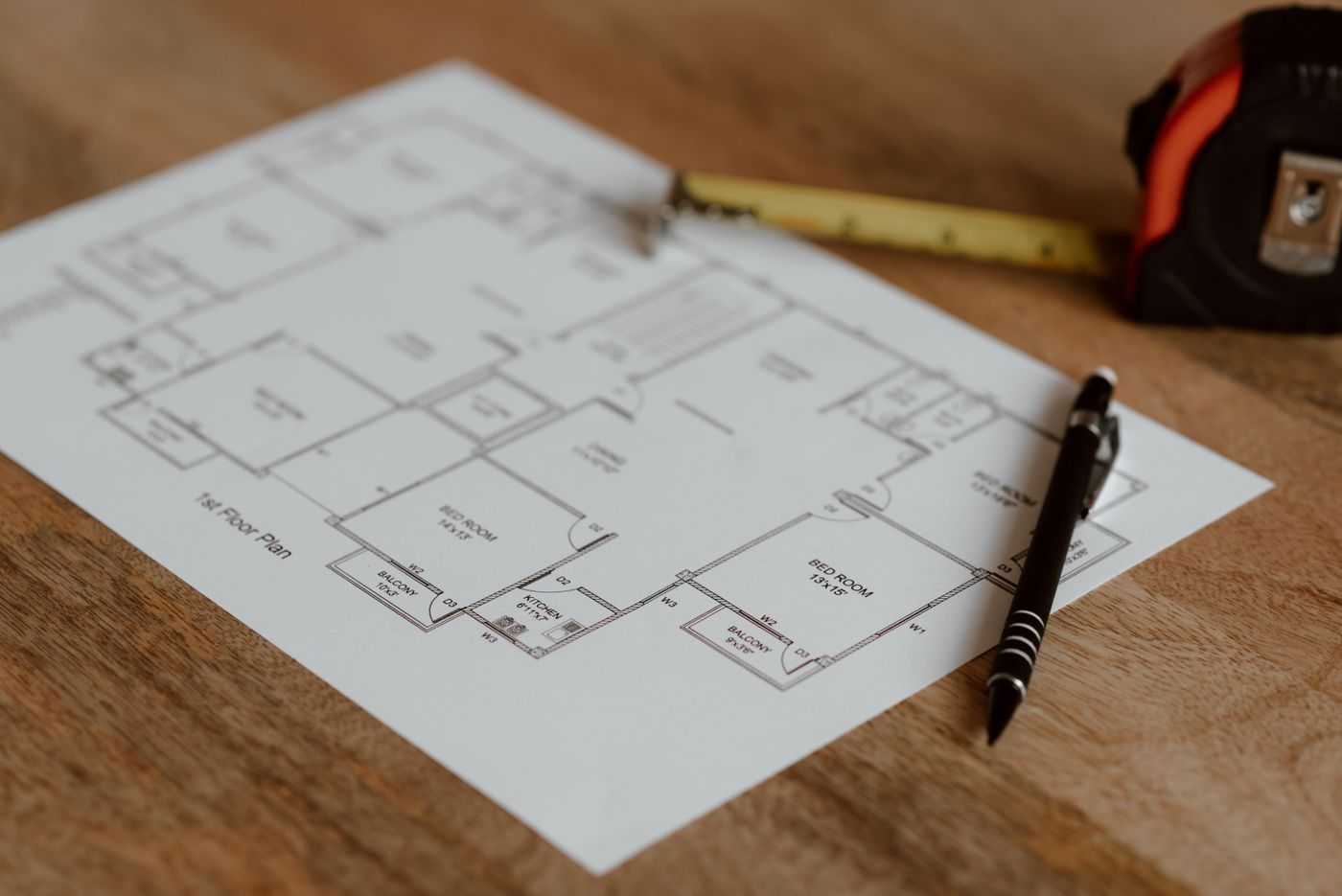
A QUOTATION YOU CAN UNDERSTAND
Before discussing a contract, it helps to have a clear description of the work. You can start an enquiry even if you’re still deciding on the details.
Define the agreed work and documents
A quotation, a set of drawings and a specification might all describe your project, but they need to describe the same project. Check the latest drawing dates, what’s included in the written price and which document takes priority if something doesn’t match. That matters when a sketch changes after you’ve already asked for a quote.
Look closely at what isn’t included too. Who pays for kitchen units or bathroom fittings? Does the price include clearing rubbish, decorating affected rooms and making good around new openings? ‘Complete extension’ can mean different things to different contractors. Clear boundaries now help prevent arguments later.
FOUR THINGS TO AGREE IN WRITING
01 / The work
Scope, inclusions and exclusions
02 / The documents
Current drawings and specification
03 / The money
Price, VAT, stages and allowances
04 / The responsibilities
Designer, contractor and approvals
Allocate professional and approval responsibilities
A building job may involve design work, structural information, planning, building control and inspections. Rather than assume the contractor will handle everything, ask who is actually appointed to prepare documents, submit applications and coordinate the relevant stages. Planning permission and building regulations are separate matters.
If your designer and builder are separate businesses, find out how they’ll communicate changes and who will answer technical questions during the work. The duties that apply depend on the job and appointments; this guide doesn’t assign them. For domestic projects, HSE guidance explains how the relevant construction-management duties normally operate.
Understand price and payment arrangements
You should know what you’ll be paying for before the first invoice arrives. Check whether the price is fixed or estimated, whether VAT is included and which items remain provisional. If you’re supplying products yourself, make sure the agreement says who orders, receives and installs them.
Don’t just look at the total. Ask when payments fall due, what work or materials each stage covers, and how you’ll be able to check what’s been done. Be clear about deposits and money needed for advance orders. If the payment terms feel uncertain or you’re under pressure to agree quickly, get independent advice first.
| Check | Question to ask |
|---|---|
| The quotation | Does the figure cover the agreed work and VAT? |
| Payment stages | What will be completed or supplied before each payment? |
| Changes | How will additional work be agreed and priced? |
Set a clear variation process
Even a well-planned build can change. You might choose different doors, discover a problem when work is opened up, or decide to add something. Agree beforehand who can approve changes and how the extra cost and any effect on the programme will be confirmed. A casual conversation on site shouldn’t leave you guessing what you’ve agreed to pay.
Ask for changes to be recorded with the relevant drawings, specification and revised price. That way you’re not trying to piece together an agreement from texts and half-remembered conversations months later. The point isn’t paperwork for its own sake. It’s knowing what’s been agreed before the changed work goes ahead.
A useful question: “Can you confirm the cost and any change to the finish date before we go ahead?”
Discuss the programme and household arrangements
A start date matters, but so does knowing what needs to happen before and during the job. Ask how design approvals, materials and decisions affect the proposed timetable. Discuss what the agreement says about delays, how you’ll be kept informed and what happens when an important date slips.
Think about day-to-day life while the builders are there. Will the kitchen or bathroom be out of action? Where will materials be stored, and who removes waste? If you’re staying in the house, agree access, protection and any arrangements you’ll need for children, pets or working from home. Having those conversations early makes the disruption easier to plan for.
Agree communication and problem reporting
Make sure you know who to contact when you have a question, who makes decisions on site and how you’ll get progress updates. If an architect or other adviser is involved, check whether they have any contract-administration role rather than assuming they’ll oversee everything.
It’s easier to raise a concern when the process has already been agreed. Ask how issues are recorded, who responds and what the contract says about unresolved disagreements. Keep emails, dates and agreed decisions together. This guide isn’t a dispute procedure or a substitute for legal advice, but clear records can prevent unnecessary confusion.
Define completion and the information required
Before work begins, agree what ‘finished’ means. Does it include decorating, cleaning, testing and making good? How will you record any remaining items, and when are they expected to be dealt with? A room can look complete while paperwork or agreed details are still outstanding.
Ask which approval, inspection, product and maintenance documents should be handed over, and who provides them. If a guarantee or warranty forms part of the offer, ask for its actual written terms rather than relying on a general promise. Make sure the documents you’ll need later don’t get forgotten at handover.
Review the agreement before proceeding
Before you say yes, sit down with the quotation, drawings and agreement side by side. Can you recognise the same job in all three? Are the price, payment stages, responsibilities, exclusions and finish level understandable? If something needs explaining, ask for a written answer before committing.
You choose the contractor and agree the work directly with them. Take the time to make an informed decision, and use independent advice when the scale or complexity of the project calls for it. Once agreed, keep the signed documents and later authorised changes together where you can find them.
The goal is not to make the process complicated. It’s to know what you’re buying, what you’ll pay and what happens when something changes.
KEEP CONTROL OF THE DETAILS
Knowing what is included, when payments are due and how changes are authorised makes the next conversation much more useful.
Your Questions
You’re entitled to understand the agreement before you accept it. These are some of the points homeowners most often need clarified, from payment stages to changes during the build.
If your proposed terms are unusual or confusing, have them reviewed before you sign. A short conversation now is easier than an argument later.
What should the written building agreement say about the work?
It should identify the parties, property, agreed scope and documents on which the price is based. Clarify materials, completion level, responsibilities, exclusions and allowances rather than relying on a project label. Ensure the current drawing and specification revisions are identifiable. Where the contractual wording or responsibilities are uncertain, obtain appropriate advice before committing to an appointment.
Why should variation arrangements be agreed before work starts?
Changes can affect price, documents, procurement and timing, so the agreement should explain how a proposal is assessed and authorised. Identify who can give instructions and how records are kept. Do not rely on an informal discussion to establish everyone’s understanding. A clear process helps distinguish a requested change from work already included in the agreed scope.
How should payment stages relate to the construction agreement?
Ask what each payment represents, when it becomes due and what information supports that stage. Read the arrangement alongside the scope, programme assumptions and responsibilities for supplied items. Avoid judging payment terms only by the size of the first amount. If the obligations or consequences are unclear, seek suitable advice before agreeing them rather than filling gaps with assumptions.
Which documents should I retain with the signed agreement?
Keep the accepted quotation, specification, relevant drawing revisions, agreed clarifications and records of authorised changes together. Identify what professional, inspection and completion information should be supplied as the project progresses. Use a consistent record so later discussions refer to the same scope. The precise documents depend on the work and appointments, so establish responsibilities at the outset.
Sources and Further Guidance
This guide draws on consumer advice about written agreements and HSE guidance on domestic construction responsibilities. These resources provide useful background, but they can’t determine the correct terms or statutory duties for your individual project.
A clear written agreement helps everyone work from the same expectations. Keep the official guidance handy when checking a contractor’s offer, and seek professional advice on terms you don’t understand.
SERVING LIVERPOOL AND MERSEYSIDE
If you’re enquiring about building work, include the postcode of the property so your request relates to the right local area.
GEOGRAPHICAL PROJECT CONTEXT
Building Services Across Merseyside
Explore building services across Liverpool, Wirral, Knowsley, Sefton and St Helens. Select an area to view its map.
Google Maps is provided by Google. Loading a map contacts Google and may allow cookies or other storage. Your analytics choice is separate. You can change your map preference at any time.
The map stays unloaded until you choose to load it. You can still enquire without a map.
YOUR PROJECT
Request a Building Quote
Planning a building project in Liverpool or Merseyside? Tell us where the property is and what you’d like done. You can make an initial enquiry before every drawing, specification or decision is final.
Your enquiry
- The type of work you’re considering
- The project postcode or town
- Any drawings, plans or advice you already have